Kill Them All by Mark Philbin
TPP EP 19
A tense, puzzle-driven thriller built on patterns, choices, and rising stakes
Watch Now!
Listen Now!
Inside This Episode
How do you build a high-stakes thriller without losing sight of character?
In this episode, Mark Philbin joins me to talk about Kill Them All, a plot-driven thriller built around a twelve-city murder spree and a protagonist who sees patterns others miss. We discuss where the idea began, how he shaped the “12 victims in 12 months” structure, and why grounding a twisty plot in character growth matters just as much as pacing. Mark shares how his radio background shaped his writing style, how he created a team of distinct FBI agents, and why trusting your outline — and your voice — is essential when you’re trying to stand out in a crowded thriller market.
If you’re interested in building tense plots, crafting characters with agency, or simply love hearing authors break down their creative decisions, this conversation is a great one.
Mark Philbin’s book: https://a.co/d/gayzNd0
Follow Mark Philbin on Instagram: https://www.instagram.com/mphilbinwriter/
Get early access to episodes, bonus after-show segments with guests, and my free novella Cognitive Breach. You’ll also be able to support the show and help me keep bringing on great thriller authors: https://patreon.com/markpjnadon
Today’s Sponsor | Mark P.J. Nadon’s novels: https://mybook.to/marksthrillers
Authors – Want to be a guest? Apply here: https://markpjnadon.ca/thrillerpitchpodcast/
Explore thrillers by Mark P.J. Nadon: https://markpjnadon.ca/novels/
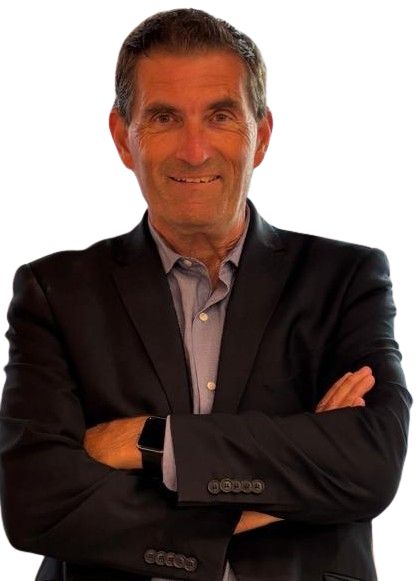
Author Bio
Mark Philbin is the author of Kill Them All, a ripped-from-the-headlines thriller based on puzzles, patterns, riddles, and rhymes. If you like your mystery thrillers with expansive landscapes, taunting antagonists, and creative heroes, then Kill Them All is a book you’ll love.
2026 is shaping up to be a huge year! Mark Philbin’s next novel, “With My Little Eye”, is expected in the early spring of 2026. This tight, neighborhood thriller features a middle-aged widow who becomes obsessed with true-crime documentaries to the point she becomes entangled in a bloody murder investigation just houses away. But when she closes in on a peeping-tom suspect, the tables get turned following a harrowing confrontation.
EXCITING NEWS: You won’t have to wait long for your next Robert Hannah novel! “Echoes of Death” is on schedule to be released in mid-summer of 2026! Make sure to recommend to your family and friends to read “Kill Them All” and get ready for the launch dates of Mark Philbin’s two 2026 releases!
Transcript
TPP Episode 19 with Mark Philbin
Mark N: [00:00:00] Hello, mark, welcome to the show. Thank you so much for being here today.
Mark P: Oh, mark. I really appreciate it. Thanks, and thanks for all you’re doing for thriller writers and readers everywhere to get these books out to people and introduce ’em to new authors. It’s a, it’s a great platform and thanks for doing it.
Mark N: You’re welcome. Thank you. I have your book here with me, killed them all. A great read. I’m very excited to talk about this book ’cause there’s so many things I loved about it. So let’s get into it. Let’s start with the pitch before I pitch it for you by talking too much about it.
Mark P: Okay, well, let’s start by imagining a where 12 victims in 12 months would be killed in 12 cities Distance becomes part of the distraction and motive becomes part of the mundane and everything becomes hidden in the noise. But why would you choose to do it that way if you didn’t wanna take credit? Now imagine that there’s this washed up [00:01:00] poker playing mid thirties guy who’s a brainiac, but he is very good at pattern finding, but his aversion to authority has ruined his career, has got him fired from whatever jobs he could get. He’s now worked himself through a marriage and he is to the point where the only way he can survive is to hustle.
College kids at poker games. then comes a knock at the door he doesn’t deserve. And his former Harvard roommate who’s now an FBI agent, brings him this puzzle. It’s early May three men have died under unusual circumstances. Can he find a pattern while he does? Otherwise it would be a very short book, he does. But from there this cooperation and this chance that he has to do to be able to turn it around. so what starts out as a quiet scheme in the background becomes a chase across the United States to stay one step ahead of Hannah and [00:02:00] this FBI task force. And before he can get to the end, he knows he’s gotta be able to take this temporary, he has turn it into teamwork and discover the one thing he needs. And that isn’t just where or who he needs to find out why. So let’s begin because the calendar is ticking.
Mark N: Thank you. That’s a wonderful pitch. Thank you.
Mark P: You’re welcome.
Mark N: Very well done. So let’s start from the beginning. Where did this idea come from?
Mark P: I had been at a Toronto Blue Jay game. It was I could probably look up the day it was the final Tuesday in April because they have dollar hotdog days. So my son and I met our i.
who lives in Toronto. We went to the game because Joey Chestnut, who always wins the hotdog 4th of July hotdog eating contest, he’ll eat 70 in 10 minutes.
He was throwing out the first pitch. I think he’s the greatest living athlete. Can you [00:03:00] imagine eating 70 hotdog in 10 minutes? This guy’s a beast. so I, I got a chance to meet him through radio contacts and we enjoyed the game. And I had watched a Jeffrey Deaver Masterclass podcast video he had done on YouTube because I just finished my second book and I was beginning to plot out my third book, and he said some remarkable things, including why kill one if you can kill 10. And come up with a title that’s just so explosive it jumps out off the shelves because you’re amongst so many others. And make the theme as big as you can make it the motive and the theme behind it. So this was all kind of stuck in my mind throughout the day. On the way back, I’m on the go train from Union Station to Oshawa for an hour.
My son, of course has his earbuds in or he’s sleeping I have an hour to sit there and I probably conceived 50% of the plot just sitting on the train [00:04:00] thinking about, well, one, you know, don’t kill one. But what about 12? What about one a month? what I kept landing on was something thriller authored Linwood Barkley had had talked to, I’d interviewed him a couple of times and he starts all this plotting with what if. What if you woke up and your entire family was gone and for 25 years you never knew why, and that was the beginning of no time for Goodbye. His breakout book wasn’t his first, but his big first breakout book.
Mark N: Okay.
Mark P: wanna do what if. I am always really enthralled with why Wood. So why would somebody put together a plot of 12 people in 12 months, in 12 cities?
Mark N: Mm-hmm.
Mark P: the idea because everybody could follow that. It’s not a difficult thing to believe in. You could follow it throughout. And when people that I know have read the book, they’ve told me I’m at July, I’m at August. You
Mark N: Yeah.
Mark P: becomes how they understand the plot so well. The chapters becoming important.
It’s all about what month you’re [00:05:00] in. So I thought if I could, if I, but why would that have to work? So it was putting together a client and a killer and the victims that would make sense of a plot that had to be done that way. And like I said, probably by the time I stepped off the go train, I was probably 50% of the way there, which, you know, as an author really is the easy 50%.
Mark N: Yeah.
Mark P: rest is the small details and the editing and making sure that, yeah, it’s plausible and it’s realistic, but it’s still thrilling and coming up with all of those details and so that’s where it came from I was very much inspired by Jeffrey Dever bone collector fame on really saying take what you like, but blow it up, make it bigger.
Mark N: Did you consider that an outline when you were doing that, or did, because that was your outline when you were on the training?
Mark P: I did do an outline because that was the end of April. I then went back to Toronto. Thanks. It’s funny you mention that. I went back to Toronto again for the first weekend in June for motive [00:06:00] the thriller and crime writers festival again, Lin Wood Barky was their shared SI got to meet Anthony Horowitz there,
Mark N: Nice.
Mark P: Only a hero of mine. He got my son reading through the Alex Ryder series, so to get a chance to talk to him and thank him on behalf of what he did for my son to be, to become a reader. So I got to meet a lot of really great ones. And as I told them afterwards I went there looking for information left with inspiration
Mark N: Mm-hmm.
Mark P: I took what outline I had that Monday, the day after I got back and I wrote the first draft, appeal them all in seven weeks.
Mark N: Wow.
Mark P: by what I heard. Not to be afraid to write with abandon ’cause you’re just going to clean it up in editing. I always try and write a clean first draft and I still catch myself doing it, but don’t get so lost now in the details that you miss the big joy of what your story is. So I really went with abandoned, hoping to [00:07:00] get it done and edited sort of for the fall of 2023 for the querying season of the fall.
Mark N: Mm-hmm.
Mark P: and ended up hitting it. Got an editor in New York to work with me on cleaning it up in time. But the outline of things like what are the cities, what are the methods of death? who are the victims, you know? So I have these sheets that I went through and then matched them up. probably I spent maybe a month on it. I was mowing my lawn when I came up with one of the key details that links the victims together. And I went, Ooh, that’s an interesting way of going about it, because I know how the book ends.
A little bit of foreshadowing. I thought, oh that’s a good one. So mow the rest along the one back, write that one out. And once I had all of that then, and then I said, and then the inspiration from that writing festival and if you’re a writer, I suggest do the best you can to go to one of those.
You don’t have to go to that one, but one that’s close to you, even if it’s just for a few hours. So very inspiring to[00:08:00]
Mark N: Yeah.
Mark P: Other people’s journeys, especially ones that I think are at the pinnacle or at the top that say you’re never really that far. If you’ve got a book in the marketplace, you’re ahead of 99.9% of anybody who’s ever wanted to write a book, let alone has something available for publishing.
Mark N: Yeah.
Mark P: at it with abandoned, trust your story, trust your voice and if the outline’s good and it’s plausible, you’re probably going to find a place for it in the marketplace.
Mark N: Nice.
Mark P: that, what I did by the time I was ready to go Labor Day of 2023, and I got picked up in April of 2024, released May 6th year of 2025.
Mark N: That’s awesome. Congratulations. That is a very fast turnover in that seven weeks.
Mark P: too. Yeah.
Mark N: Yeah. Yeah. Especially if that’s, is that the first book you’ve ever written through this inspiration?
Mark P: No, I wrote two others that have been shelved. The second book was the first thriller. The first was something I had, ’cause when I was done the morning show, I used to go for a walk before I would go back and record commercial and stuff. Well, the radio station just [00:09:00] happens to be beside Bellville Cemetery. if you’re looking for inspiration and one day, because I’m so brave, a white plastic bag blew out from behind a tree and I think I fainted. I might have screamed. well, ’cause I’m
Mark N: Yeah.
Mark P: about things. ‘Cause you know, when you’re in radio, you’re four hours on the air, 20 hours preparing.
Everything becomes the bit Mr. Jerry Seinfeld says, you’re never truly present. You’re always looking for the next thing to talk about by observing what’s going on. And then I thought, oh, well that would be crazy. That wouldn’t be a ghost. And then I thought, well if that was a ghost, why would a ghost step out behind a tree and want to talk to me?
And that became a book called From Ashes. And that took about a year of outlining. And then in the pandemic 2022, my daughter from Toronto was home with us. And she said, dad, when are you gonna write that book? When are you gonna write that book? So I probably took six months to write the first draft of it and thought I had scaled a mountain when I typed the end because you think, [00:10:00] wow, I wrote a book.
And then the funny thing is, once you’ve done it, once you find you can do it again.
Mark N: Yeah.
Mark P: Was a thriller I’ve always had in my mind, called Give me Death, give me Liberty, or Give me Death. And I really liked that. And I was going to start working on editing and querying that when Kill Them All entered mind and I said, no, I think this is the one I really wanna work on.
This is the one I think that has a better shot. this is the third. I’ve since written two more that are coming out next year. And on this past weekend, I just finished my sixth book. And then I’m gonna go back and give them death a shot. I’m going to give me death. I’m gonna, I’m gonna work on the edits to that. ’cause I think that’s a good one too. And, and I think of a better writer. The work with the editors has made me a better editor.
Mark N: Mm-hmm.
Mark P: so as they say, nothing’s ever shelved, you know, shelved for now.
Mark N: Yeah.
Mark P: but you can always go back and revisit an idea, revisit a novel, revisit a manuscript or an idea, don’t kill your doll, just tuck them away somewhere.
You’re going to use them in another book. If it was a [00:11:00] good idea, maybe it isn’t for that book,
Mark N: Yeah.
Mark P: it, it sure could be somewhere else.
Mark N: That’s an impressive turnover, even from your first novel. ’cause one thing I hear a lot is when authors say, and me included, that it took many years. I think I spent like 10 years on my first book just on and off and life and everything else gets in the way. So that’s, that’s great that you also did, you’ve, I mean, you’ve been quite prolific right from the get go almost from 2020.
Mark P: Lee Child of Jack er fame I bought A-A-B-B-C masterclass of his, and I really enjoyed it too. And one of the things he says is and it’s one thing that I’ve done toxic libraries and you tend to get, the older demographic will come out to a library, which I love. Thank you. And I always tell them, if you’re here as a writer, it’s never too late.
Mark N: Yeah.
Mark P: too old. Because as, you know, Lee Child said, I don’t know. And, and I agree with them. I don’t know if I could have been a writer at 30.
Mark N: Yeah.
Mark P: if I had to wait till I was 59. [00:12:00] I’m 62 now. I don’t know if I had to wait till I was 59, but I know that sped up the process. Yes, I write in my radio and speech writing capacity, and I understand the need for brevity. I understand the need when you’re on the radio. You gotta get in and you gotta get out. So there’s not a lot of wasted language.
Mark N: Mm-hmm.
Mark P: When I talk about a clean first draft, I understand that first page desire, that first chapter desire, and why the last page and last chapter should lead into the next book or should lead them with wanting enough to say what, wow, what else has this guy written or this woman written.
Mark N: Yeah.
Mark P: so I started with that already. I don’t have an aversion to editors. So the process of trying to get a book published, is not unlike being in radio and having somebody do what’s called an air check, where they listen to your show, make suggestions on how to make it better. And, you know here we are in baseball season with the, the js. I think of editors, it’s like a first base coach. They’re not running the [00:13:00] basis, but they can see everything that’s going on. They’re editing other books so they know where your book’s gonna slot in. And you know what, if you can kind of tuck it a little bit more over to this side and lean a little bit more into that theme, that’s gonna steer away from what everybody else is doing right now and
Mark N: Yeah.
Mark P: a book, a chance to shine, an editor can do that.
I know some people are like, oh, nobody’s gonna tell me what to do. And that’s all well and good. But if they’re going to offer from a publisher to get you that editor, I think what a gift to be able to have somebody who has eyes on the full look of the industry to say, this is where your book’s gonna fit, and I think it’s gonna be strong. Or this is a good first effort or all of the things that you can get. And then use those tips moving forward to become a better writer. So, I thank you for the compliment. I was surprised as well when I got accepted in May. It was on the shelves 13 months later. But I think, that might be because of my age that I easier to work with, I think, than I would’ve been when I [00:14:00] was sturdy. Well, I’m sure we’ll get into the book, but somebody asked me how much of Robert, Hannah is you? And I said, all of Robert Hannah’s bad characteristics are me. And the bumper, the hired killer. And that’s not a spoiler alert. The first two words of the
Mark N: Yeah.
Mark P: the bumper. I think at the beginning of the book have my best qualities about, a little bit more about the patients versus the aversion to authority, which when you’re a smart Alec morning guy, you know, you know, like people, you know. So all of these things I had to evolve to become better. Played out on the page, the way it worked out. So, yeah, 59, I think I was probably right. But to your point about being prolific, I’m running out of time Mark, so you know, so many books. If I’ve, if I can sit down now in retirement, it’s just my wife and I now, so I think I can peel off two a year, which I’ve been doing,
Mark N: Nice.
Mark P: been lucky enough that my publisher enjoyed, kill them all.
Enough sales have been good that they jumped on the [00:15:00] next book and then I said, I have the follow up to kill them all. Done. They’re like, Zo, and then said, let’s do, let’s do two in 2026. And so that one will come out as well. So I’m very excited about that. Busy,
Mark N: awesome. Yeah.
Mark P: Yeah.
Mark N: Yeah, as I was reading Robert Hannah, I also was thinking ahead on your behalf, being like, I was thinking, wow, this would actually make a great series. You could write another book. ’cause he’s, he’s such a fun unique character that you could definitely write another book.
So I’m excited for that next book you have coming out. Yeah.
Mark P: you. I, the follow up was really fun to write, and my son and I went hiking in Algonquin Park this summer, and he’s 32 years old, so he doesn’t want to go at dad’s pace, even though I thought I kept up pretty well, but not that good. he’d always be about a hundred feet up, so I would have four hours to myself.
And so I said to him on one of the paths, I said, you go just stay within eyesight in case I fall down. But I’m going to conceive the next Robert Hann book. And so on that four hour, I think I came up with the, the plot for the third [00:16:00] book, which I do wanna have a series of them. And I’ve got. Characters and, and we’ll talk a little bit about it. I don’t think of them as secondary characters because kill them all, every character has agency.
Mark N: Mm-hmm.
Mark P: is affected at the end of the book. Nobody gets away unscathed. And so some of these other characters could have offshoots, of their own books or they get to shine a little bit more with Robert playing a part.
And, I think of the great Michael Conley that way,
Mark N: Yeah.
Mark P: will have Bosch or who will have the Lincoln lawyer.
Mark N: Mm-hmm.
Mark P: one of the other characters like Rachel Ballard will be included and work with Bos. So then she has a twist and you can do different things with it. I was very conscious of not pigeonholing them into these specific roles. People get promoted at the FBI, people retire at the FBI, new people come into the FBI, so he’s this outsider coming in, but so do other people. And so [00:17:00] you begin to have different dynamics and different plots and I’m excited about it. Very excited about the, follow up to this called Echoes of Death when it comes out.
I really enjoyed exploring the characters a second time based on where I left them, but continued to evolve with them.
Mark N: Hmm.
Mark P: I really enjoyed that process a lot.
Mark N: When you originally created all these characters, how did you make them so distinct? Do you have a profile sheet or, or like an, you know, they say like an interview where you interview your own character to find out as much as you can. X ends up in the book.
Mark P: Well, I, I appreciate it. ’cause I, I don’t think I went that far. There was a movie M Night Shalan movies called The Woman in the Water. I don’t know if you know that one.
Mark N: No.
Mark P: it wasn’t very good. I mean, to me. But the whole idea was that there was this monster and I think it was in the pool of an apartment building. And all of the characters were and they all had a unique. of sense about them. [00:18:00] One guy had a massive arm and his other arm was skinny. Somebody I think had tremendous. And anyway, at the end to save the woman, they all had to use their, like the guy with the one strong arm had to lift everybody. It was sort of like, wow, it’s a good thing all of these characters had their unique, so what I did is I sat down and said, okay, I’m going to need a character whose major thing is he’s gonna be first in the room. He’s the most eager. He’s not trying to upstage anybody. He just loves what he does.
He’s gonna work behind the scenes ’cause this is what he loves to do. Jack Sims. Then I’m going to want a female character who is going to go up because she loves to hunt. This is what What she does like a, boss, but she’s working for the FBI for a, a strong sense. She knows what she’s up against and she’s been preparing for this moment. Rhonda Perez. Then of course I have characters in there who are wasting time and we get rid of them pretty early. [00:19:00] So Robert has this aversion to authority. I talk about, well, the captain at the FBI is not gonna put up with that crap, and he’s gonna become this father figure who’s gonna help mold them into place. And then his best friend has own skills and his wife and so I said, I need characters who bring these sorts of things. So I looked at them from their skillset and what they could bring to the story and those, and that was how I characterized them. and then from there, I, I really just wanted it to work. There were a couple
A couple of, in the book where I would kind of change it or I would morph it. I would take it back and say, I know, and then go back to the beginning and add something to their skillset. I did that very much with Robert’s ex-wife, in the book because of the way the ending originally was in the first draft, which is not the way the book ends, as happens. I’ve learned yeah. books that the ending that you think I, because I wrote it to get to a spot. wrote it to [00:20:00] get, and I don’t know if you’re at the spot yet, ’cause you said you have 60 pages left. I don’t know if you’re at the spot yet. then what happened before and after that? I wasn’t sure what was going to happen because that spot isn’t the ending, but that was the spot where I wanted people to go, wow, okay.
That’s, that’s what this book is all about. The theme, the what, that’s what this book is trying to say. And then I’ll end it somehow. But then I realized now I can’t do that. And I had to go back and kind of change it. And that involved evolving these characters to get to those points.
Mark N: How did you know it was ready when you had done that? Like you had your first draft, you know, you wanted to send it to an editor for publishing, but that’s one of the hardest steps is when you have to decide, is this thing ready? Am I just changing words for the sake of changing words? And I think I’m making it better.
Maybe I’m not. When did you decide like, okay, this thing’s ready to be sent off? I’ve done everything I can.
Mark P: Yeah, that’s a great question because somebody said to me, when does a writer, sorry, when does a painter know that’s the last brush stroke?
Mark N: Mm-hmm.
Mark P: Oh boy. You know, that’s, that’s, that’s so [00:21:00] true. I had worked on it for, you know, the seven weeks and edited, I talked about Lead Child. His way is he’ll, he’ll write 1500 to 2000 words, and then before he begins the next day, he’ll go back and edit the previous day. few words here and there. It doesn’t work as a full edit, but as he says you know, it gets you back into the story, gives you a little bit of time to rework some of the language and then so that when you start, yeah, you’re right back where you were. So, I knew when I was done, it was a pretty good, and I worked on it for a couple of weeks. Then I hired an editor out of New York by the name of Ken Soff. I sent it to him and to what I think is a tremendous amount of money from somebody who didn’t have a lot of money. But I spent more than I wanted to because I knew it was good and I knew I wanted to rush it, which in hindsight, I probably didn’t do.
I wouldn’t, I wouldn’t suggest people do that.
Mark N: Okay, but.
Mark P: at this time, I’m, you know, 60 years old and thinking you only get so many shots. And I think this is a good book. I could have waited another year. I could have [00:22:00] waited four more months, but I really wanted to strike while the iron was hot on it. he read it in about a week and then started working on it. And I got impatient. It was probably the week before Labor Day, I had been working on the pitch package and all that stuff. And I emailed him and said, well, what do you think? ’cause I thought, if it’s garbage, he’ll tell me. And as I said, I put it in the acknowledgements he sent back.
If the ending hangs together, I think you have a winner here. So to hear a New York editor say that. Was not something I was prepared for. It was not something I ever would’ve told anybody he’s going to say. And to this day, I don’t know that it’s a winner, but again, as somebody who reads it, I have to trust him more than I trust myself.
Mark N: Yeah.
Mark P: that gave me a lot of confidence moving forward. And then I bought in, I really bought in. So, I loved your Instagram that you did. Thank you. About the signature,
Mark N: Yeah. Loved it. Yeah.[00:23:00]
Mark P: because yeah, my query letter did a lot of that. And, and the rule state, I should never do that, but I so bought into the characters that the pitch package is a taunt,
Mark N: Yeah.
Mark P: the client.
And the killers are taunting you throughout the book so that, the pitch package is exactly what the book is going to sound like. They say, you know, if you’re writing a romance, you should have a pretty, wistful query letter. If you are doing a horror, it should be a little bit of the edge of your seat. Well, mine is very taunting. Very schemy. And so I got a lot of rejections as I expected, but what I was hoping to find is just that was one or two agents that said, I know what you’re doing here. And I understand that because, and I got a couple that asked four more pages and I’d never gotten it with the other books.
So I sort of knew I was on my way. But ultimately one said, I don’t know, an editor enough, who would want a book like this and fight for it. And somebody else said, not quite there, didn’t like the [00:24:00] ending. And then I got a handful of hybrid, publishers that said yes. So I pay half, they pay
Mark N: Okay.
Mark P: to stay traditional ’cause I knew I wanted to retire and I didn’t wanna spend any more money. Ken got all my money on this book. And then between the Lines Publishing came in, which is an independent publisher, small one out of Roseville, Minnesota, and they’ve been great to work with. And away it went. So all of that was I’ve gotta buy into everything. so it isn’t me. The whole book is the client’s taunting 12, this 12 month scheme and why they would do it. you’re about to find out, and maybe you have some ideas, and because it is, as I tell, as I put in the pitch package, you know, the who is, what you’re gonna get to.
But the why is what’s gonna keep you up at night when you’re done with the book.
Mark N: Yeah.
Mark P: ripped from the headlines today. I was shocked with how the world is evolving and I, a [00:25:00] friend of mine asked me if I was a time traveler when I wrote it two years ago, how’d you know that the world is gonna start feeling this way about the rich? I said, well, it’s always felt this way that they
Mark N: Yeah.
Mark P: the steps and put take matters in their own hands. Couldn’t have guessed that.
Mark N: Yeah,
Mark P: out, this was never meant to be a manual on how to do it. It was always meant to be a warning and it’s just so strange how it’s playing out now in the headlines around the world.
Mark N: yeah, definitely.
Mark P: Mm-hmm.
Mark N: I love that you say you had to really believe in it. ’cause I think that’s very true. How did you go about believing in it? Because there are so many steps along the way that could almost crush a writer when they want to believe in it. You’ve done very well in that you got an editor fairly quickly, or someone picked it up fairly quickly.
But prior to that, like how did you go from, even this book is done to I believe in this book, or was it just the editor and his feedback that just sparked that motivation and then you ran with it?
Mark P: Well, as, as [00:26:00] you know, on page 82 of the book I tip the cap A of the Krista, come right out and
Mark N: Yeah.
Mark P: And, uh, you know, in some of the books that inspired this plot because they sort of run along. And I, and I think because I’m, I was very much grounded in reading those, we all talk about if you want to ever become, a good writer, and I don’t profess to be one, but if you ever want to be one, you have to be a prolific reader. And there were plots that I absolutely loved. There are authors I absolutely love and I, they are must read authors for me. But to be completely honest and not terribly I was growing a little tired these slow burn domestic thrillers. Not that I don’t like them, but there’s a lot. And they were, and I won’t say they all sound the same, ’cause then I sound like my dad when the Beatles came out. Right. But I, I [00:27:00] think the point is, you begin to say, well, no, I know where this is going. I may not be right, but there’s nothing there that can surprise me anymore. and they’re sort of like, oh, I didn’t guess that, but here we are. And it was well written and I liked it, and then I’ll pick up another one. And so I think when I was sitting on the train, which really made me commit is I wanna write something not just totally different ’cause that’s dangerous. ’cause people want what people want.
Mark N: Yeah.
Mark P: the same, only different. So I thought if I can ground it in the love that I had of Agatha Christie’s books Jeffrey Deaver’s books, I sort of had the plot of an Agatha Christie, but the pace of a Jeffrey Dever and then let’s add the geography of a Dan Brown. let’s like have a wide landscape with really tough, thrilling details. But the plotting that aga, the Christie had, I thought I can really chew on that because I love all three [00:28:00] of those. So I got in the mud on those and I sat in it and I wrote it and I believed in it. And I didn’t, didn’t get away from it. When, when people said, nah, don’t know. I don’t think I want to pick this up, or it’s not enough for me, or, no, it didn’t really grab my attention.
And I would think, oh boy, if I, if this one doesn’t grab your attention. But all of these other domestic thrillers that were starting to bore me or start to think were so predictable, you know, why did you grab that? Do I, does everybody have to write like that? And I thought, no, I’m going to, I’m going to stick in because I don’t think I can write those. I really wanted to write these. And so I think that made it easier for me to buy in because I
Okay.
I was doing
Mark N: Yeah.
Mark P: And didn’t want to give that up. And again, is it for everybody? No . Is it gonna be a bestseller? Don’t think so. Again, that wasn’t the point. The point was to say, this is a different book, because I can’t write those with any kind of conviction [00:29:00] because to me it was just like, yeah, I enjoyed it, but I, it’s like the last 10 that I just read. What I really want is something that I can really get my teeth into, and that’s why I wrote this one and believe in it so much.
Mark N: that was, That was very plot driven, would you say you’re more of a plot driven writer, then character, where you build the plot first. What attracted me a lot to this book right from the get go oh, I liked it all. I could preface that by saying I liked it all, but the character of Robert h is, is what got me into it right away.
And I loved when he’s with the FBI and he’s cocky, and then he’s put in his place, which is all very early in the book, so it’s not a spoiler. And, yeah. And I love that about him like I do. I, and then I got right into him, and from there I bought into the plot and the rest of the book.
Mark P: I think, I started with plot. No, you’re right. One of the things that I really wanted to do, which I wasn’t seeing a lot of, and that is character arcs and thrillers and mysteries. So if we go back to [00:30:00] egg and Christie for example, Ms. Marble doesn’t change her. GU wrote doesn’t change. They are those characters and we want those characters and we like it. But I thought I really wanted to have a character arc that would make you want to cheer for him or her cheer for all of them. As I say, none of them are the same character at the end of the book as they were at the beginning.
Mark N: Yeah.
Mark P: it make it more challenging? Yeah, it does. Is Lincoln rhyme just to borrow or, you know, Jack reacher of these, these characters and thrillers, do they change every book?
I don’t think they do. Are the authors bad enough for doing it? No, not at all. But my difference was, is I really wanted to bring somebody to see if you could like him because of what he puts himself through, how he changes at the end, which we’ll see. You’re not quite all the way there and leads itself into the next book for those that survived this one, and you begin to anticipate, oh, as he’s grown, like the Hunger Games, of course, I’ll how you like Cat so much the way they grow throughout it.
And [00:31:00] I wasn’t seeing a lot of that in thrillers. So I think I’m plot driven. I’m very sympathetic to putting the characters in that plot and giving them agency so that they can become stronger people that you would want to cheer for along the way, not just to survive, but to continue to grow, to make mistakes, to suffer with them when they make the mistake and to see how they can grow because of it. That’s real police work. James Patterson talks about that, 60% of the police work, you should be wrong because. what happens. That’s what investigative means. You try this, you get these clues, you check that out. Nope. You go interview these people. Nope, that isn’t right. Oh, but then I found this out.
And so you can’t Sherlock Holmes it where they’re right all the time, but you, you should want to cheer with him when he is wrong. That he doesn’t give up. He wants to learn.
Mark N: Yeah.
Mark P: around him take what information he can give and his, and, and, and I say it a few times in there just for plausibility. Look guys I don’t know what I’m doing, but I see [00:32:00] this and I think it’s this so how would we put that into the investigation? How would you ask or investigate that if I think this is going on? So the way they all try and put the whole thing together. And, and maybe you’re yelling at the pages because of course as a reader, you know far more what’s going on in the plot than any of the characters because you know everything until you don’t.
Mark N: Yeah.
Mark P: and that’s when, and that’s when the twist start. And I was talking at a library about that you have a dog, for example. It’s like when you’re walking with your dog and then you stop and the dog keeps going, well, that’s what I do in the book. And then you kind of stop and go, wait a minute, how did I get here?
Mark N: Yeah.
Mark P: Thought we were, and then you realize, oh, you stopped giving me information I did, and I, let’s let you go with it. And then that’s what, because to me, the best twist are the ones where readers fool themselves know, I don’t have to lie or bury or ignore or, you know, almost become an unreliable narrative.
I’ll just give you all the information and, and [00:33:00] let the characters think they know what’s going on. And then you can go, oh, no, no, no, I, I know where we’re going with this. And that’s like, I wasn’t close at all, or I wasn’t right. Where did I miss that? And you realize, no, I missed that because I assumed that I knew what everything that was going on.
And there’s a point of the book at which that stops, and now you’ve gotta figure it out for yourself.
Mark N: Yeah. How do you want a reader to feel when they’re done? When they finally put this book down, what’s that final feeling you want them to have?
Mark P: As I said, the, when Jeffrey Deaver talked about the biggest theme it could and I don’t wanna give away the theme ’cause I think that it’s a little bit of a spoiler, I think I, without doing that, let’s say this, like the reader to feel like I’ve either given them or challenged them to look at their worldview. That would somebody go to the extent of killing 12 people in 12 months over 12 cities so that they could hide what they’re doing and [00:34:00] not wanna take credit for it. And then when you find out what links the victims. Why they chose to do it that way, why they had to do it that way the things that you discover about the victims along the way, the things that Robert Hann discovers about himself along the way, and how none of the characters are the same based on the explosive ending. it changes the way we look at how we structure society and the way we look at our resources and the way we treat each other. Yeah, it’s pie in the sky. It’s, it’s big. again, it’s not meant to be a mission impossible where it’s like pushes the plausibility and I can’t believe he’s survived the second to go. We’ve figured it all out. Now what? Now that we know what happened and it’s over, what are we gonna do to make sure this doesn’t happen again? It isn’t just, what would I do if I was in that? Robert, Hannah talks about it, for example, when he begin to think of himself. What [00:35:00] if, what if the killer came after me? What does that say about me? And that’s, I think, what I want the reader to begin to see that it’s, a situation born of society and characters, as you mentioned, because it wouldn’t have happened if they weren’t the characters that they were and come away thinking a little bit above the worldview and the way things are.
Mark N: I love that. Thank you. Well, I’m looking forward to that explosive ending and feeling those feelings. I’m gonna be finishing it tonight, so I’ll let you know.
Mark P: Excellent.
Mark N: Alright, so a couple of quick wrap up questions. What advice would you give someone who just published their first or second book? So they’ve, they’ve gone that step, what advice would you give them?
Mark P: Get into book signings. Now I have a radio background, so I’m not afraid to do public speaking, to sit there and meet people and sign books. My daughter, she mentioned she lived in, she lives in Toronto. she contacted me when the book came out she said, dad, here’s the [00:36:00] contact for Indigo at the Eaton Center. I was like, whoa. So I reached out and they said, sure, we’ll order 15 books and let’s do a book sign. So do them ask and you shall receive. It is amazing if you just ask an indigo near you, a private bookstore near you, the library, just to do a quick talk if you think you can do that stuff in public.
Mark N: Yeah.
Mark P: amazing how many people do wanna meet authors. So I would say get yourself out there. I like social media. I don’t think it’s the be all and end all. Just like, you do this podcast and you’re on all platforms, that’s more important than trying to just get a huge following or buy a huge following
Mark N: Yeah.
Mark P: media. I think there’s still a lot of room for meeting readers. Gives me a chance to steal some names for another book. But then there’s, because there’s nothing like that feedback. As I mentioned, I did a [00:37:00] library talk for 10 people. drove half an hour. a small library, just up on Highway seven down from Ottawa.
Near 10 people were there and I loved it. And one of the people there had read the book from the library, so you know, oh well, and I didn’t get any money off that didn’t care. She loved the book and immediately went looking to see what else I have written. And so, oh, well that was just his first book and then was shocked when she saw that I was going to be coming into the library to do a talk. So the things I said, well, you know, well, what. What did you like, which of which of the murders was your favorite? Because that tells me a little bit about the way this reader liked the book, the way it was plotted. Did you find that one just so shocking? Underhanded would, did you hate that character The moment, like, so you get a chance to get all kinds of feedback on the plot and the characters as you say. And that may not teach you a lot about writing, but the two aspects of writing are writing and story, so maybe you can become a better writer, but the things you get back in [00:38:00] feedback can probably create better stories down. It’s like, okay, they’re really like these kinds of characters. I’ll make sure and really double down on those on the next book.
So yeah, so I would say do book signings and get out there and get a chance to meet people and I think always be writing sometimes, John Grisham was telling the story. I saw it the other week where when a Time For Kill had been picked up many years ago, his first book. He finally got an agent and the next day he called his agent, and the agent said, you are not gonna call me every day. Because they thought, oh, well I thought I, did you sell it yet? Is it gonna be published yet? Look, this is not how this work. So get out there and write another book. ’cause it, it’s gonna make you a better writer when the editing comes along. Kills some time. So yeah, once you’re published, and I have met a wonderful writer that I met at a festival.
It’s her only book and she can’t even conceive of trying to do a second book. And so I thought, good for you. You’re Harper Lee. Until they started dragging out all of her manuscripts, she had only written to Kill a Mockingbird for 60 years until they started dragging out some old [00:39:00] scripts. But, if you can stay busy and work on other projects, I think it just makes you a better writer and
Mark N: Yeah.
Mark P: a lot. yeah, I’d say get out there with it. Be proud of your book. ’cause you know, mark, you know, the figures over time, how many percentage of people who say they’re gonna write a book, the percentage of people who start writing a book, and the percentage of people who finish writing a book, and then the minuscule number who managed to get it, published,
Mark N: Yeah.
Mark P: publishing, which costs a lot of money, and there’s a viable path that takes so much skill because you are everything.
You are designing the cover, you are editing, you are promoting and, even though I have a radio background, I didn’t feel confident I could do that. So I did the traditional route because I wanted the experts and part of it was my age. I don’t have a lot of time left to spend a lot of time and money trying to learn all of that. So I defer to the experts that way and was lucky enough to land a small, wonderful publisher. I don’t know what would’ve happened if that hadn’t happened. We certainly wouldn’t [00:40:00] be talking. And the other three manuscripts I’ve written, I don’t know would’ve happened to them, but there they are.
So I’m, I’m very happy with the way it worked.
Mark N: Yeah, well it’s a deserving book of having caught that.
Mark P: It. Yeah.
Mark N: where can listeners find your book and hear more about you?
Mark P: Well, for the most part, it’s available. As I say, it’s a small publisher, so, if you’re listening in the United States, it’s not on shelves at Barnes and Noble, but you can order it through there. You can order it through Amazon Canada. You can order it through Indigo if you’re here in the qui region.
In Belleville, they told me, they gave me a number. I think I’ve sold 134 copies in my hometown, which about 130 more than I deserve. Part of it was, I did morning show radio here for 25 years, so everybody knew I left to write this darn book. so a lot of people came out to books on it just to say hi and be supportive. The ebook is also available on Amazon. It’s available on Kindle. It’s available on Cobo. And because of my radio [00:41:00] background, if you haven’t guessed, yes, I recorded the audio book. So I went out and bought all of the equipment that I need to create a home studio. That was a wonderful experience because I had to learn and I had to learn reading, part storytelling,
Mark N: Yeah.
Mark P: To learn what the echo and how do you down the sound and is this pit still my daughter in Toronto? Of course, when she would commute, I would record three episodes or three chapters. Then I’d email and she’d listen on the way home. Still too tinny. I think you’re going too fast. That’s a horrible accent. Don’t do accent. So until we got to the end and she said, no, okay, this is a good pace.
Okay, you figured out the technology. Now that sounds really good. And I would put it into the Audible website where they check these sorts of things and they said, no issues. This is perfect. This. So it’s like, okay. Then I went back and redid the whole darn thing again.
Mark N: Wow.
Mark P: that everything could be perfect. [00:42:00] So Audible has, and I’ve sold 49 audio books, that’s been fun as well. But, yeah, so, and all the major outlets online and some selected Indigos across, there’s one left in London, there’s two at Green Hills in Toronto. Some at Eden Center. They, they’ve kept stocking it ’cause it keeps selling there, thank heavens. And and then mostly, mostly online.
Mark N: All right. Well, thank you so much. This has been great. I’ve really enjoyed hearing this story. I have probably another 40 questions prepared for you that we just ran out of time. It’s just, it’s been a great conversation. I really appreciate it. If you don’t mind taking a few more minutes of your time for the after we record this main episode for our Patreon members, I’d really appreciate it.
Mark P: And if you enjoy it, my follow up echos of Death will be out in the summer, but my next is a standalone called with my little eye, a curious widow, a shy prowler, and the wrong Window, coming out in, early spring. So I’ll say first week of April, [00:43:00] give or take. And that is a story that came to me from our retiring police chief who was on the radio show, I was looking for a character to go with my widow, and he gave me the prowler and away this book came.
So it’s funny where you get it when you meet people, you talk to people, you get the craziest ideas for
Mark N: Yeah.
Mark P: and I had a lot of crazy ideas. So look for that. Mark. I greatly appreciate, again, not only your support for me, but for all authors, for writing and for, thrillers, because I know Thriller readers come to this genre as critical readers. We don’t. You can buy a Carly fortune and you wanna be swooned, but many people pick up a thriller saying, well, you better fool me. You better thrill me. You
Mark N: yeah.
Mark P: the goods. So it’s a more challenging genre to write in to become successful in, and certainly to get your name out to. And I am
Mark N: yeah.
Mark P: so grateful that you gave me this opportunity.
Thank you.
Mark N: Oh, I’m happy to. Thank you.